
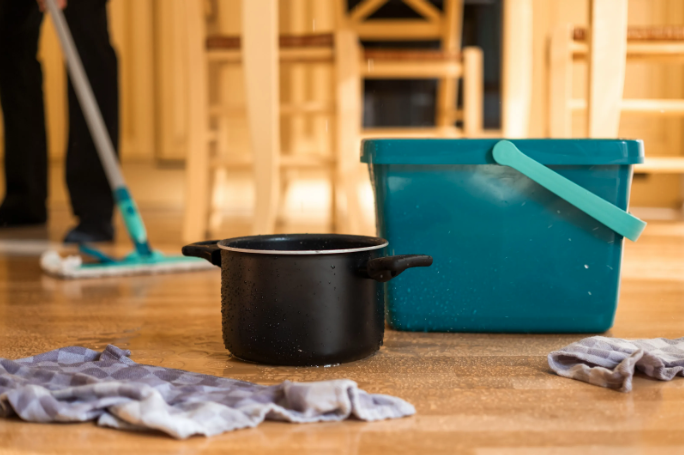
Water damage can be one of the most stressful problems a homeowner faces. Whether it comes from a burst pipe, a leaking roof, or heavy rain, water can quickly spread and harm both the structure and the belongings inside your home.
The longer water sits, the more damage it causes, which is why quick action is so important. Repairing water damage may seem overwhelming at first, but with the right steps and attention, you can restore your home and prevent bigger issues in the future.
Act Quickly to Reduce Damage
The first and most important step in water damage repair is to act fast. Water spreads through walls, floors, and furniture in a short time. If you leave it for too long, it can lead to mold growth, weakened structures, and unpleasant odors.
As soon as you notice the damage, you should turn off the main water supply if the problem is from inside the house and remove any valuables from the affected area. Fast action will save you both time and money in the long run.
Dry Out the Area Completely
Once the source of water is stopped, drying out the area should be your next focus. Simply cleaning up visible water is not enough, because moisture often stays trapped in walls, floors, and carpets. Using fans, dehumidifiers, or even professional drying equipment will help remove the hidden moisture.
Opening windows and doors can also improve airflow. The goal is to make sure everything is completely dry, because leftover dampness can cause mold and weaken your home’s structure.
Clean and Disinfect Surfaces
After the area is dry, it is important to clean and disinfect everything that came in contact with water. Floodwater or sewage water can carry bacteria and harmful substances that can affect your health. Even clean water can leave behind dirt and germs once it has been standing for a while.
Use cleaning solutions to scrub surfaces, wash fabrics, and sanitize any furniture that was touched by water. This step will make your home safe again and prevent unpleasant odors from developing.
Repair and Restore Damaged Materials
Once the area is dry and clean, you can begin repairing and restoring damaged materials. Sometimes, this means replacing sections of drywall, flooring, or insulation that were too badly damaged to save.
Wooden parts of the home may need to be sanded, refinished, or replaced if they absorbed too much water. Furniture and personal items can also be repaired, but if they are beyond saving, replacing them is often the best choice.
Prevent Future Water Damage
The last step in water damage repair is to prevent it from happening again. Once repairs are done, take some time to check your home for weak points. Clean your gutters regularly to stop water from overflowing and damaging your roof or walls.
Inspect plumbing for leaks and fix them before they turn into bigger problems. You can also consider waterproofing your basement or improving drainage around your home.
Conclusion
Dealing with water damage can feel like a huge challenge, but the right approach makes the process much easier. Acting quickly, drying the area, cleaning thoroughly, repairing damaged materials, and preventing future issues are all key steps in keeping your home safe.
With proper care and attention, you can restore your home and protect it from further harm. Water damage repair is not just about fixing what is broken, but also about making your home stronger and safer.
